Open the plan you'd like to see. Plan for parents is the weekly summary, the detailed daily plan is the document the teacher uses to run the group.
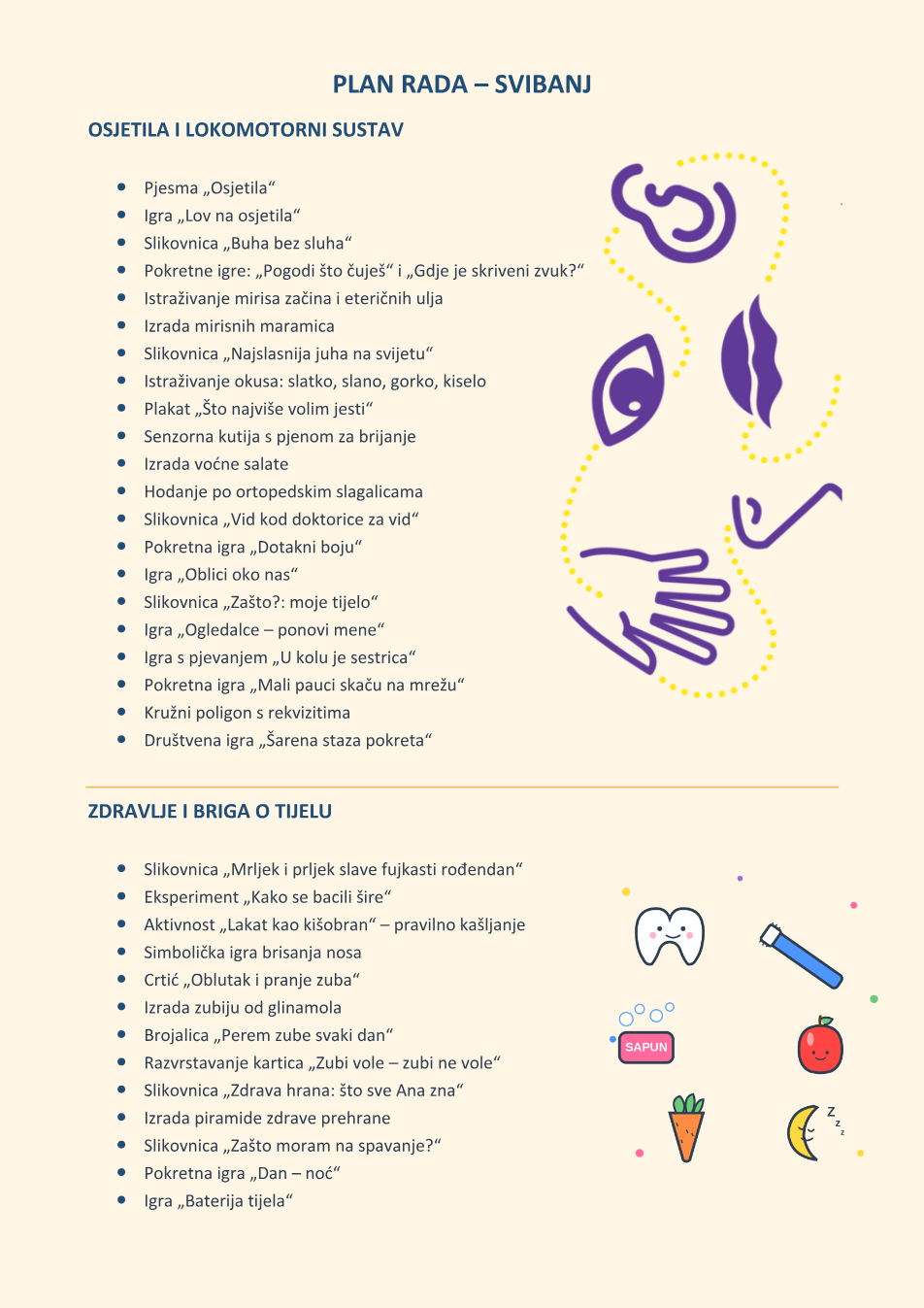
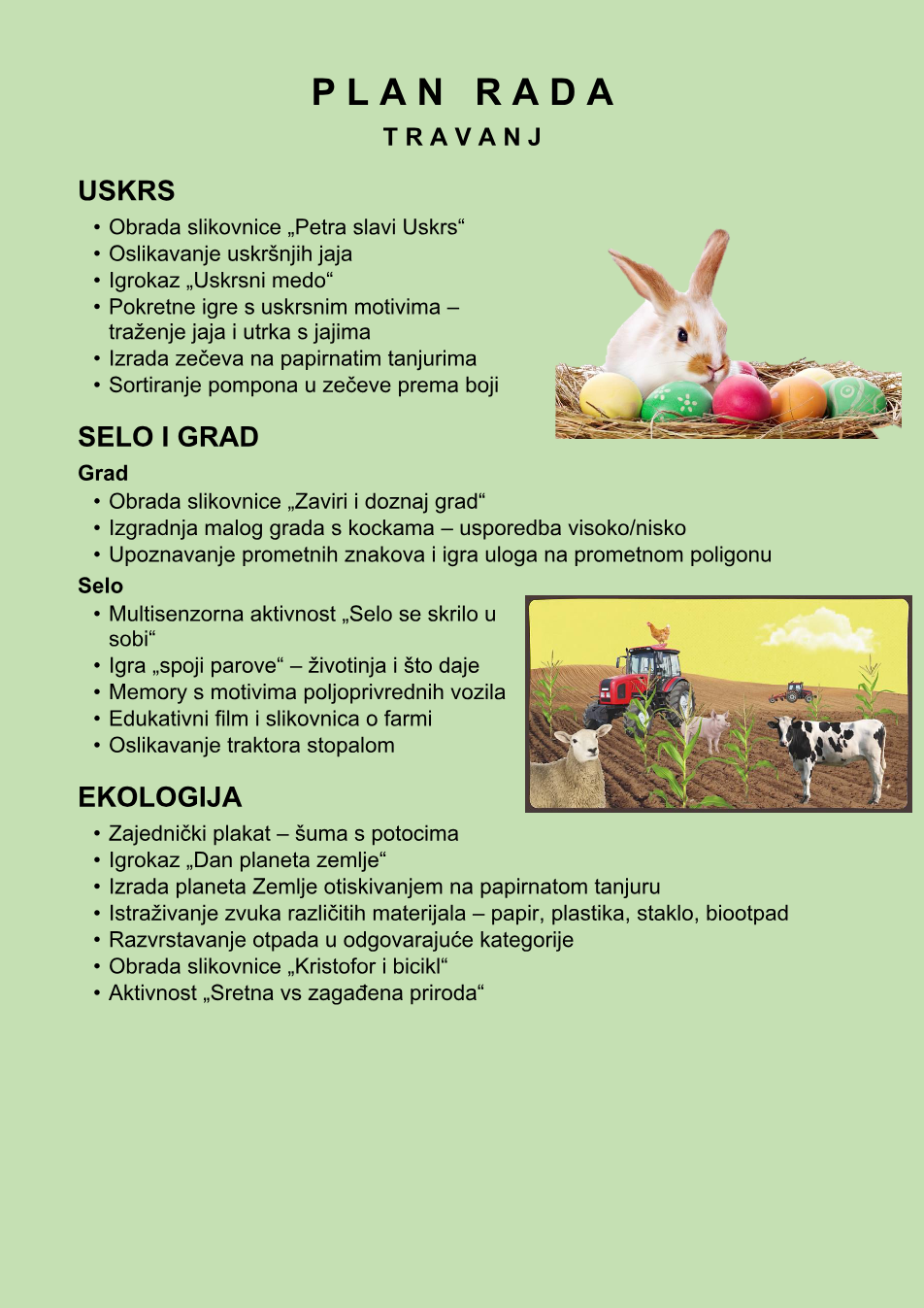
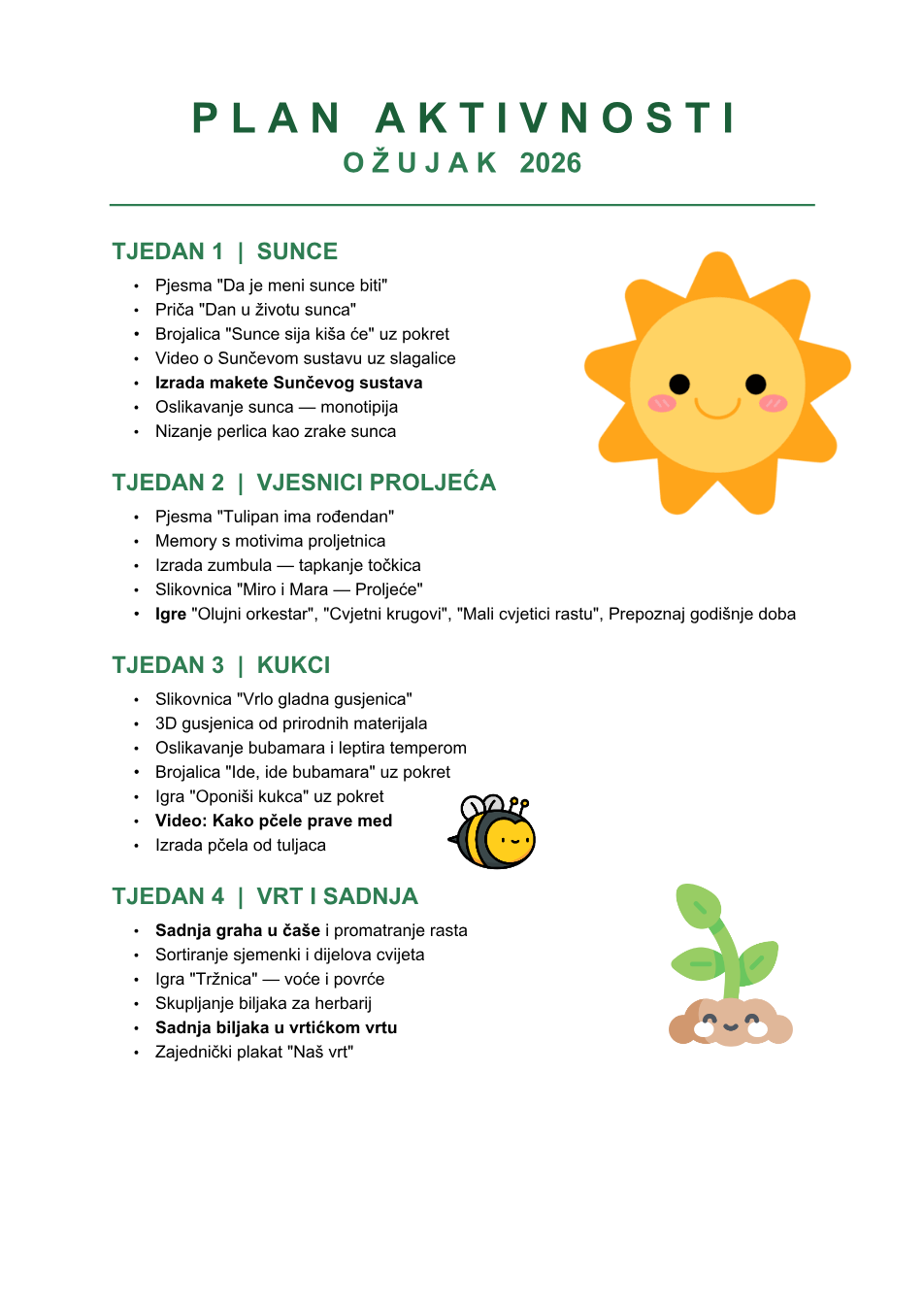
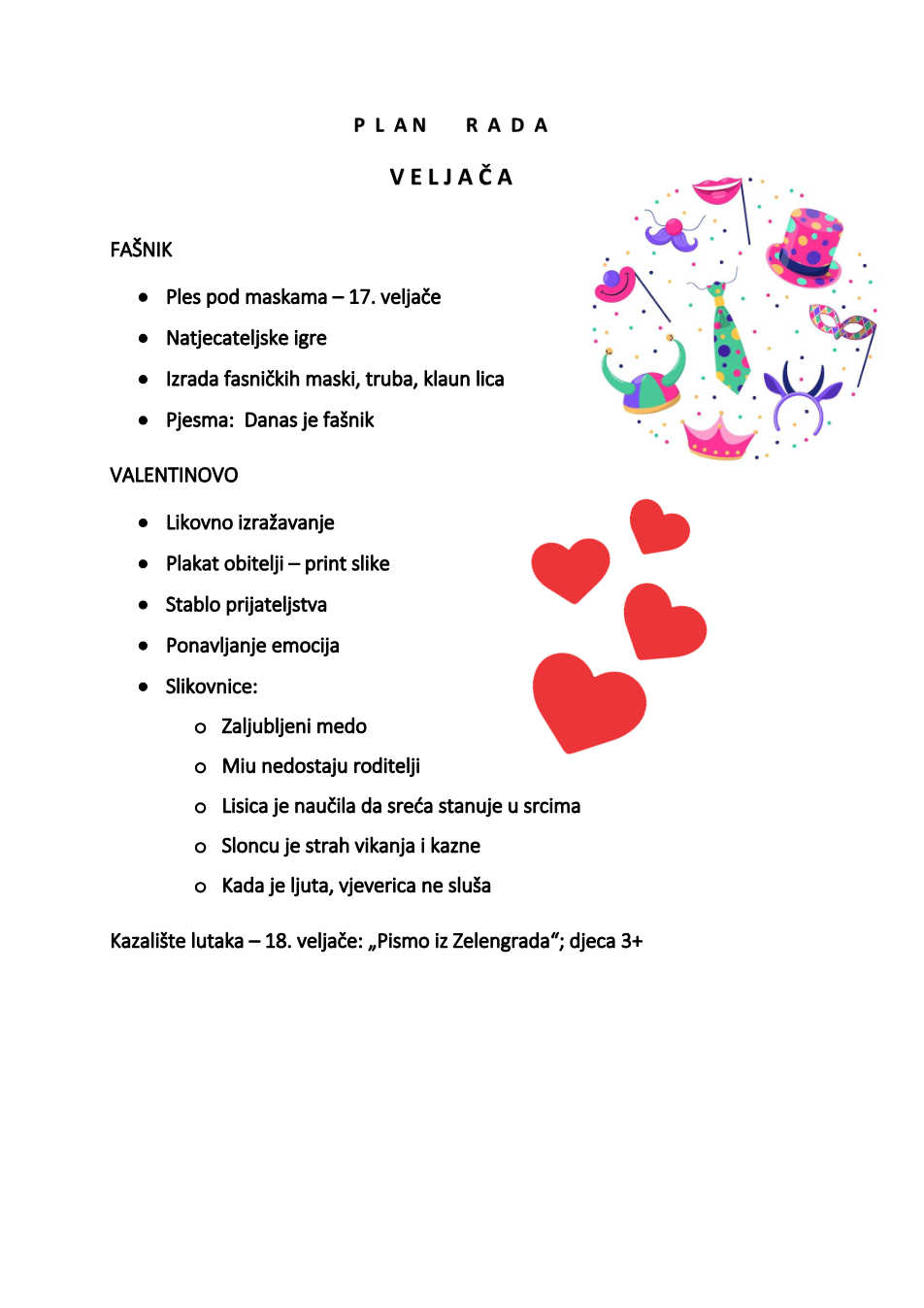
Archive of plans
Each month we prepare the plan in advance. The month is divided into 4 themed weeks, and each week brings 5 to 7 concrete activities tied to the theme: a picture book, a musical element, art, motor play, sensory and cognitive activities.
The plan is written by Ivana, our teacher. Each week is carried out as written and documented.
Whatever we give a child in the preschool years stays with them for life. That's why we set the bar deliberately above the legal minimum.
Open the plan you'd like to see. Plan for parents is the weekly summary, the detailed daily plan is the document the teacher uses to run the group.
Archive of plans
Activities aren't reduced to a "creative hour" plus going outside. Every child passes through all developmental areas during the week, from fine motor to social-emotional skills.
A picture book tied to the week's theme, reading, conversation, dramatization, the children's own stories that we write and illustrate together. Vocabulary grows through dialogue across generations: younger ones listen, older ones explain.
Sorting by shape, colour and size, counting, memory games, sequencing, measuring, problem-solving in real situations. Logical skills through real objects, not worksheets.
Simple experiments: what floats and what sinks, mixing colours, how ice melts, observing insects through a magnifying glass, sprouting seeds. Smells, tastes and tactile bins (foam, rice, seeds). Children explore the world with all their senses and start asking "why".
Obstacle courses with props, balancing, walking on orthopaedic foam puzzles, age-appropriate games. Fine motor through scissors, tweezers, beads. Falling isn't a problem, getting back up is what we practice.
Emotion mirrors, friendship posters, situation cards, symbolic play. Children learn to name feelings, ask for a toy with words, wait their turn, and help younger ones express what's bothering them. In a mixed-age group the older ones often step in and mediate, real empathy practice without paper.
Tempera, collage, mosaic, monotype, modelling clay, natural materials. Techniques grow with the child, from finger painting and sponging to more detailed drawing and combining materials.
Songs, rhymes, group dances, simple instruments and recognising different sounds. Music ties to the week's theme; children learn by listening, repeating and moving.
The 300 m² private garden every day. Planting, watering, watching plants grow, feeding birds in winter. The season leads the work: spring for planting, summer for tending, autumn for raking, winter for observing. Real responsibility for a living thing: a small child who waters their own plant doesn't forget that.
The month is divided into 4 themes. The picture book, song, art, motor play and sensory activity each week all come from the same theme, so children live through the theme from multiple angles instead of just hearing it.
Themes track the seasons, holidays and natural events the children directly observe, so what they learn stays connected to the real world around them, not just to a picture in a book.
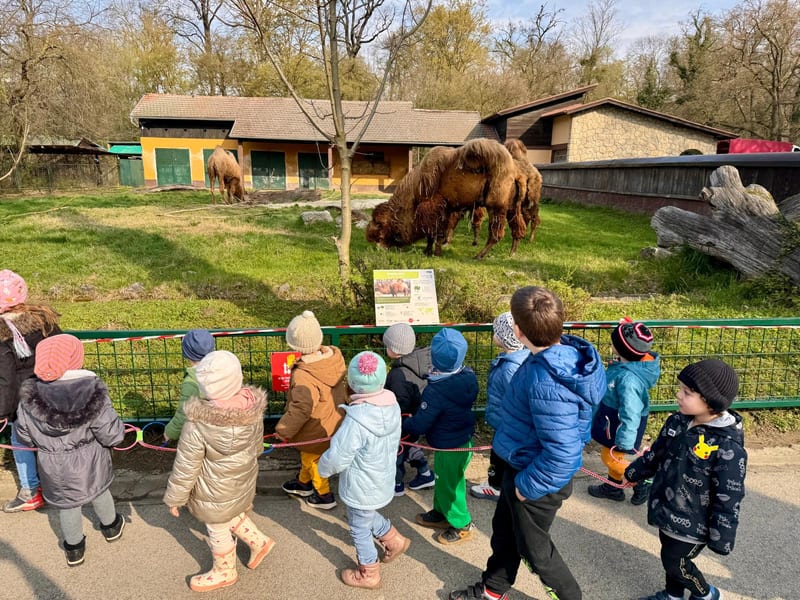
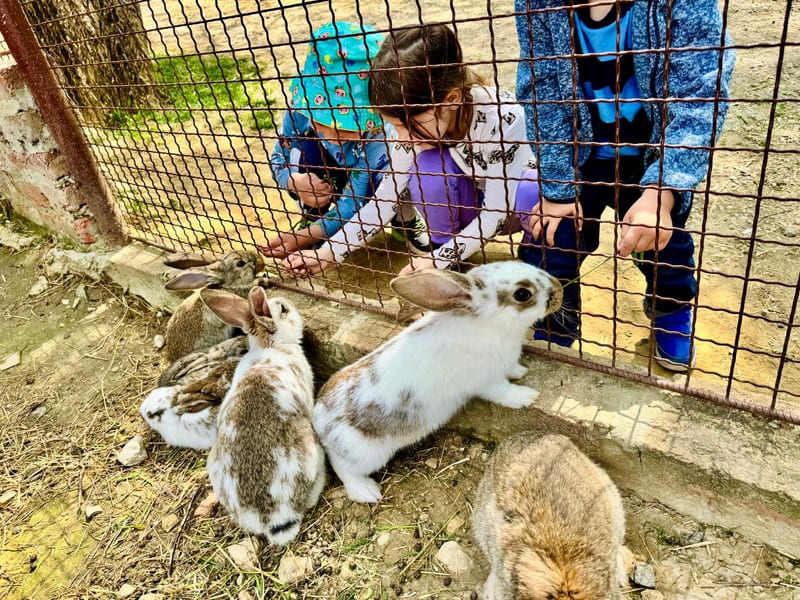
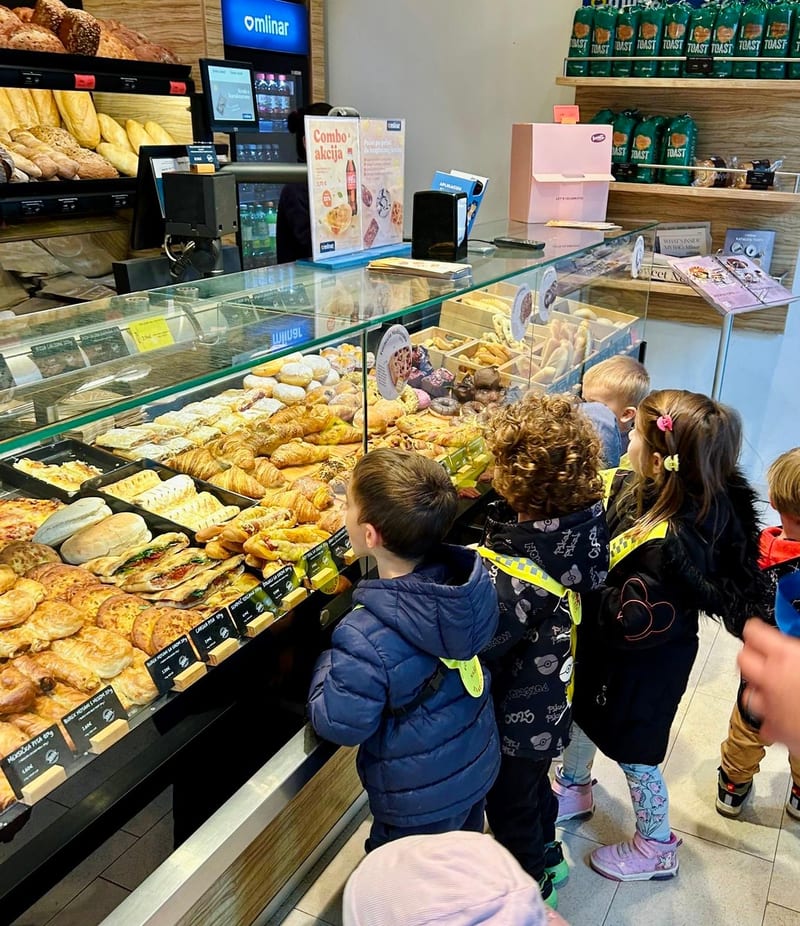
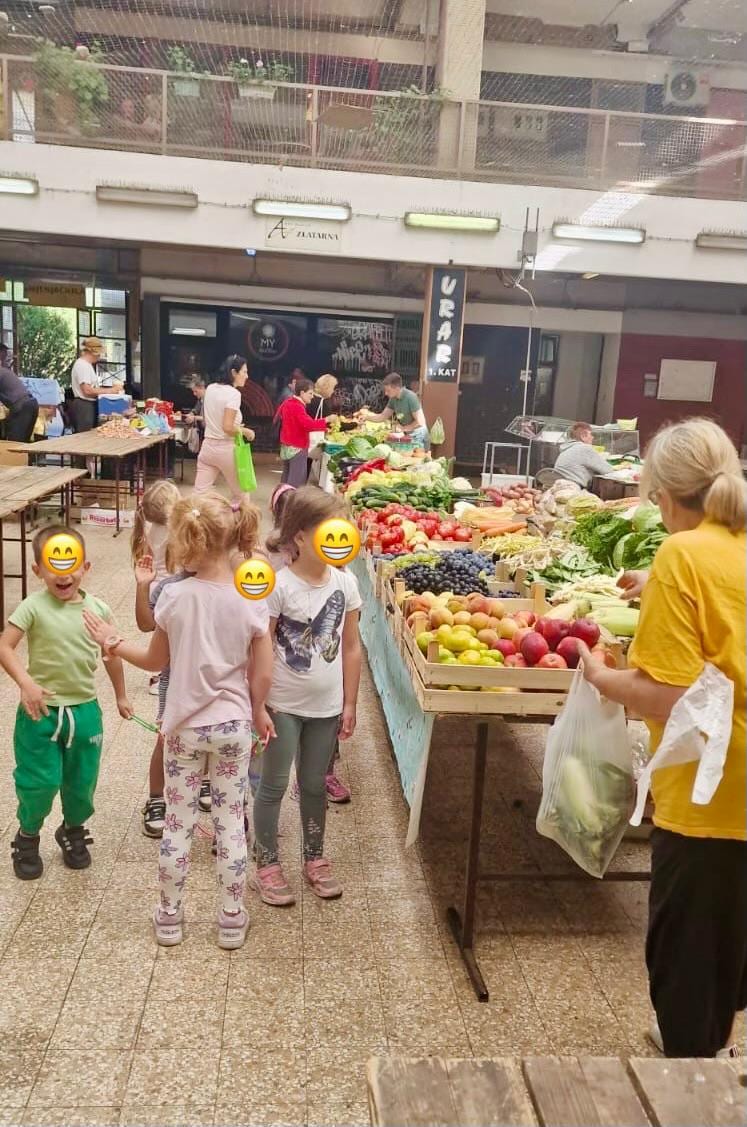
Throughout the year children regularly go on outings and themed visits tied to the weekly theme. A baker who lets us behind the counter, the morning market, a librarian reading a story to the children, it all leaves a different impression than a picture in a book.
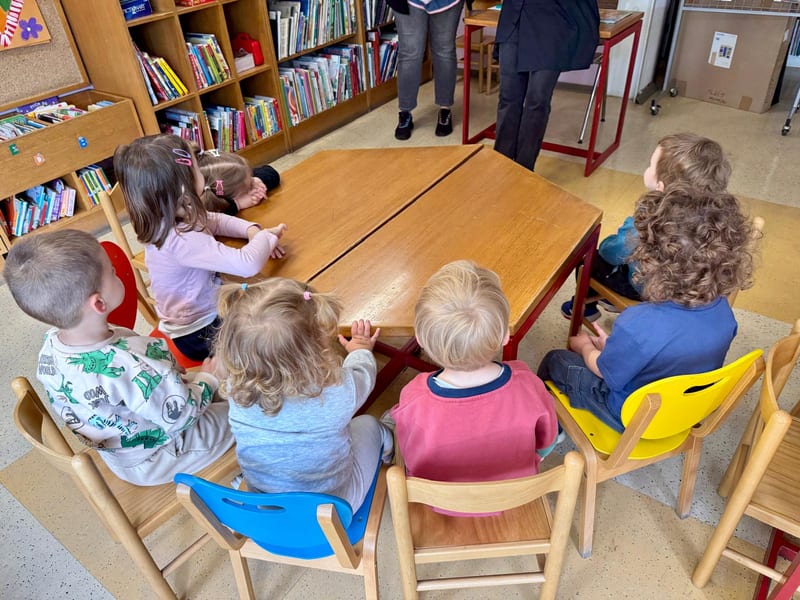
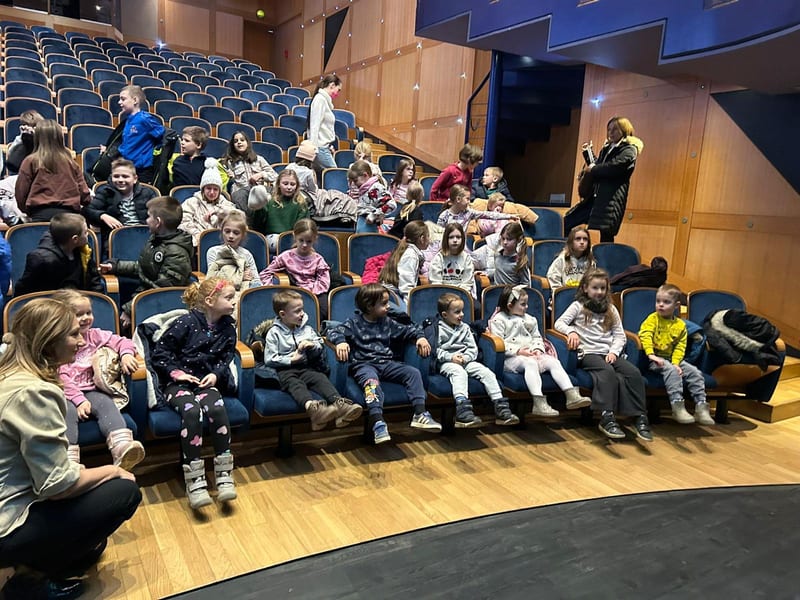
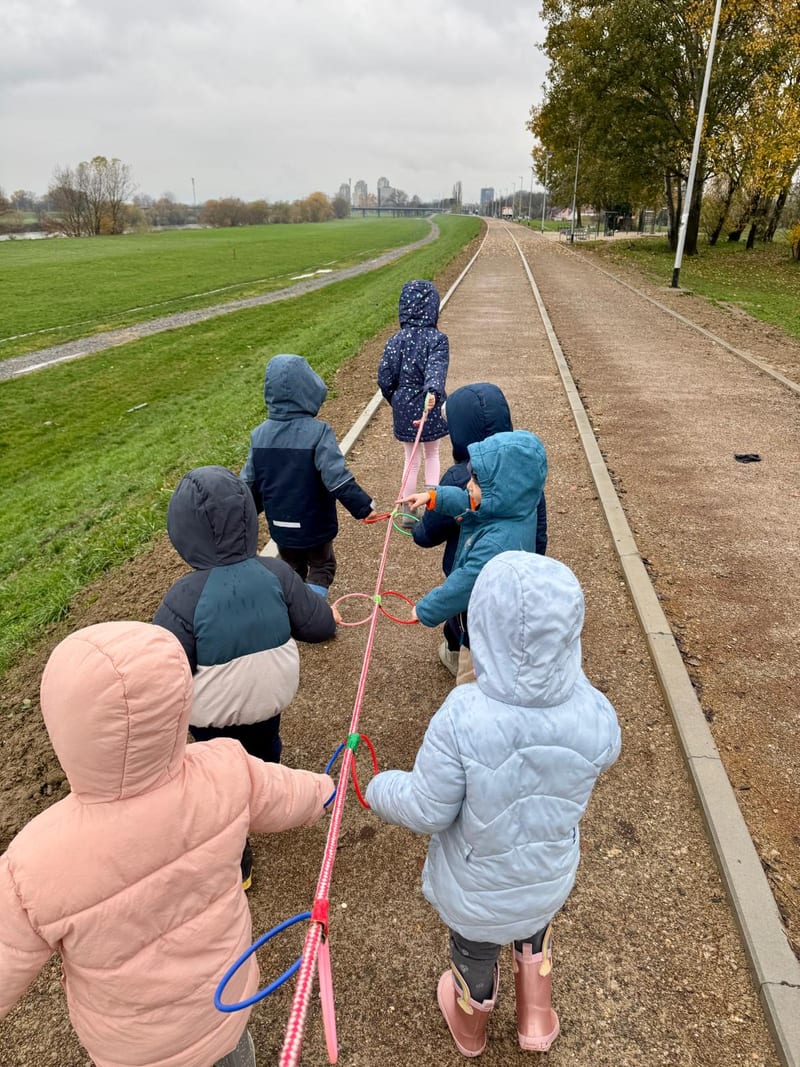
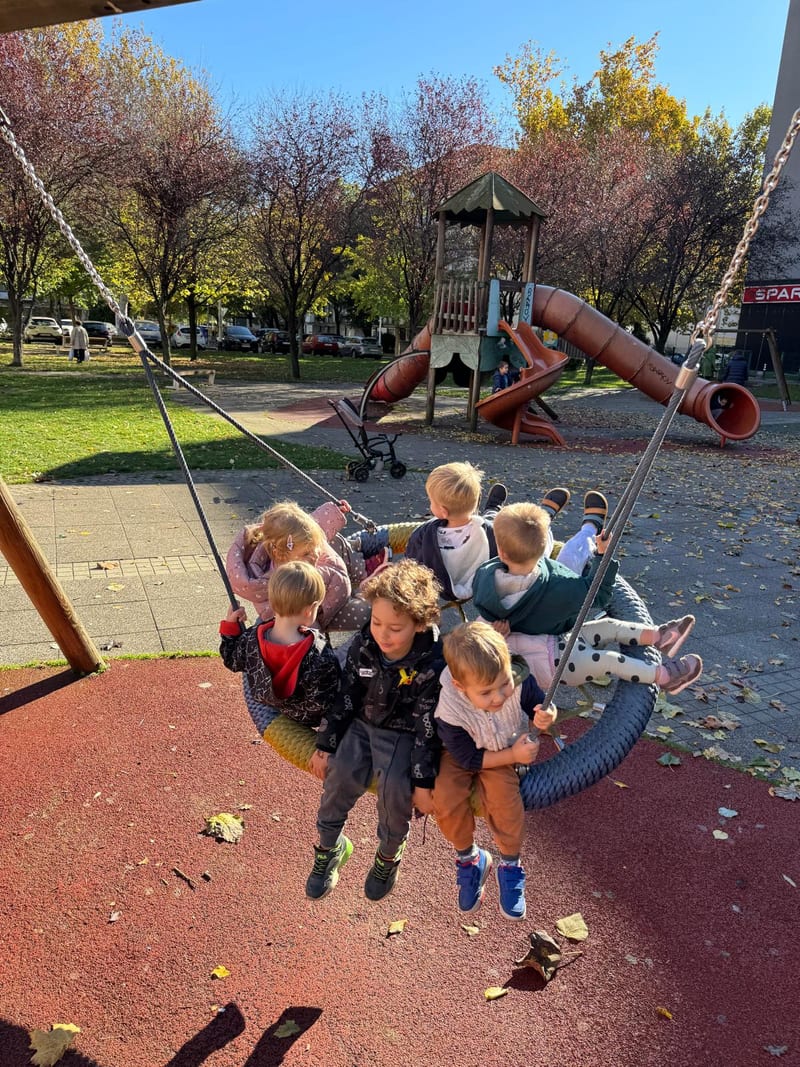
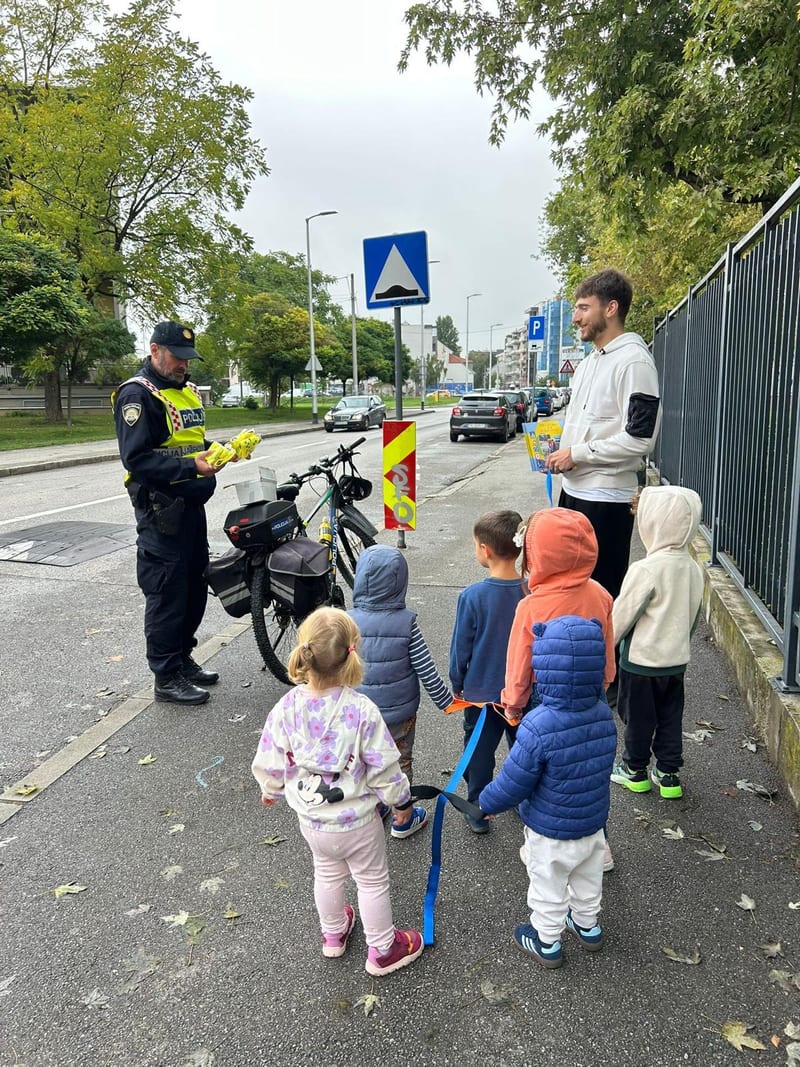
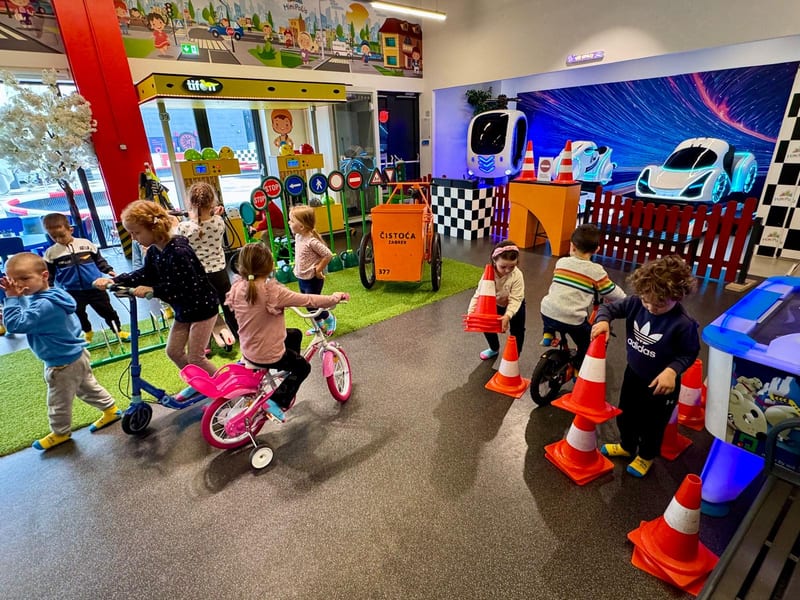
A predictable rhythm that gives children security. Drop-off is flexible between 07:30 and 10:30, whenever suits you. Below is an example of one real day, with the actual rules that apply every day.
Short pieces and practical tips written for you by our teacher Ivana, an early-childhood educator and pedagogy graduate student. All topics come from the questions parents most often ask.
We're preparing a series of short articles: how to handle the first week of adaptation, when to move on from the pacifier, what to expect when moving from nursery to daycare group, how to support speech development at home… If you have a topic you'd like us to cover, send it via the contact form.
Now that you know how the day runs, meet the children — how many of us, what ages, and how a small mixed-age group fits together.


Monthly fee co-financed by the City of Zagreb.